


Selection Notes
- Copper alloy names can be broad; exact grade matters.
- Temper, hardness and conductivity should be stated when relevant.
- For components, drawings improve RFQ clarity.

Compare copper, brass and phosphor bronze for electrical, machining, wear, spring, connector, marine and engineering RFQs.
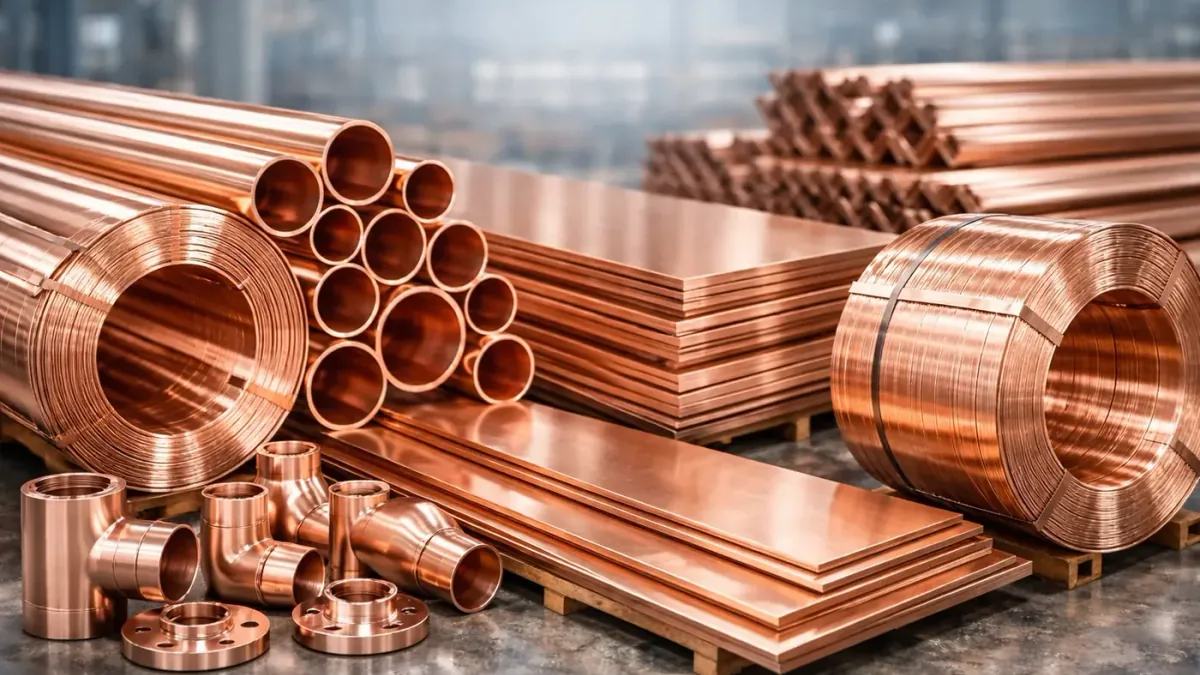
Copper is often reviewed for conductivity and thermal performance, brass for machining and fittings, and phosphor bronze for wear, spring and connector-related applications. Final selection should follow buyer drawings, standards, service conditions and project requirements.
| Option | Common buyer review context | RFQ note |
|---|---|---|
| Copper | Electrical, busbar, heat transfer and conductive components | Share conductivity or grade requirement. |
| Brass | Machined components, fittings, valves and decorative applications | Mention grade and machinability needs. |
| Phosphor Bronze | Springs, contacts, bushings, wear strips and connectors | Share temper, hardness and form. |
Use these pages to review grades, material families and quotation routes before sending a requirement.
No. Brass is primarily copper-zinc, while bronze families use different alloying elements such as tin or phosphorus depending on grade.
It is often reviewed for spring, wear, connector and electrical-contact applications.
Copper C110 is commonly reviewed for conductive applications, but buyers should specify exact grade and requirement.
Yes. Buyers should share thickness, width, length, temper and quantity.
Share grade, form, size, temper, quantity, application and delivery location.
Share grade, product form, size, quantity, standard, documentation requirements and delivery location for quotation review.