


Selection Notes
- Chemical media and concentration can strongly affect grade review.
- Buyers should not rely only on family names such as nickel alloy; exact grade matters.
- Project documentation should be stated early in the RFQ.

Procurement guide for chemical and petrochemical RFQs covering SS 316L, duplex, SMO 254, Hastelloy, Inconel, Monel and titanium.
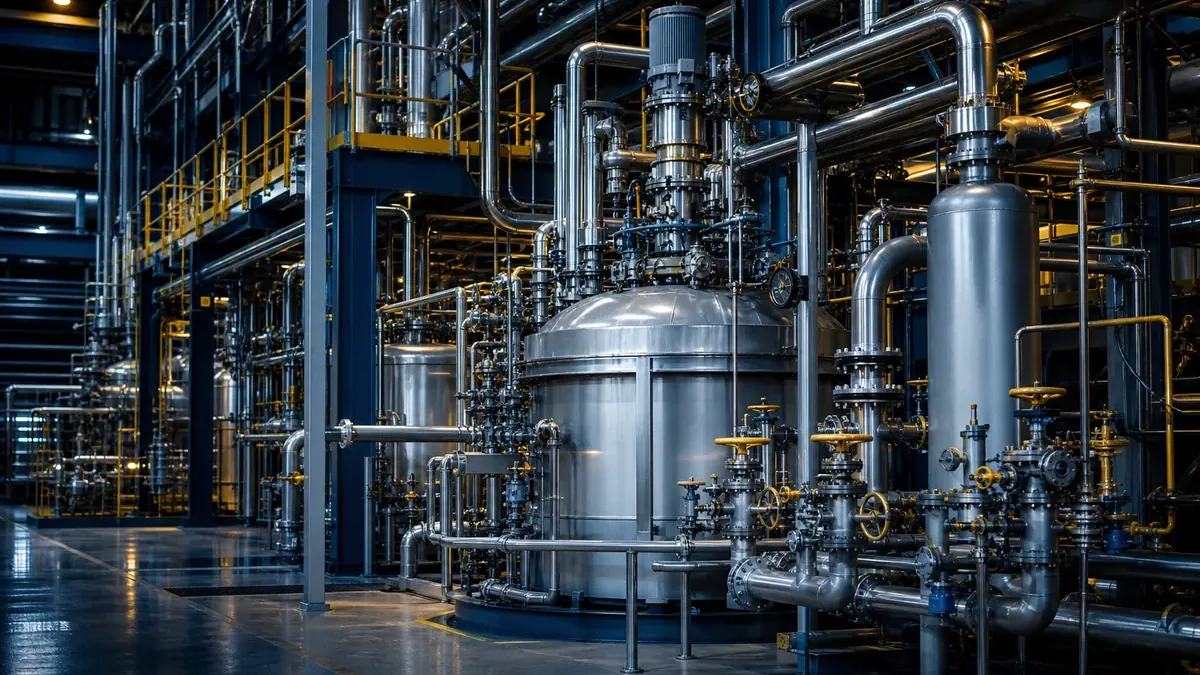
Chemical and petrochemical buyers commonly review stainless steel, duplex, SMO 254, nickel alloys and titanium based on corrosion media, temperature, pressure, chloride level and project standards. Final selection should follow buyer drawings, standards, service conditions and project requirements.
| Option | Common buyer review context | RFQ note |
|---|---|---|
| SS 316L and 904L | General process corrosion and welded fabrication | Share media and temperature. |
| Duplex, Super Duplex and SMO 254 | Chloride, seawater, desalination and process service | Mention chloride exposure and standard. |
| Hastelloy, Inconel, Monel and Titanium | Aggressive chemical, heat or special corrosion conditions | Share exact grade and UNS reference. |
Use these pages to review grades, material families and quotation routes before sending a requirement.
SS 316L, 904L, duplex, SMO 254, Hastelloy, Inconel, Monel and titanium may be reviewed depending on service condition.
No. Hastelloy is reviewed when chemical severity and project specification require it.
Share media, concentration, temperature, grade, form, size, quantity and documentation needs.
Rubinox can review BOQ or MTO enquiries with line-item grade, size, quantity and standard details.
No. Final suitability should follow buyer engineering, project standard and application review.
Share grade, product form, size, quantity, standard, documentation requirements and delivery location for quotation review.