


Short Answer
Rubinox supplies and sources industrial metal enquiries across stainless steel, alloy steel, non-ferrous metals and project-specific engineering alloys for RFQ review.

Browse Rubinox material families for specification-led RFQs, project enquiries, domestic procurement and export enquiry support.
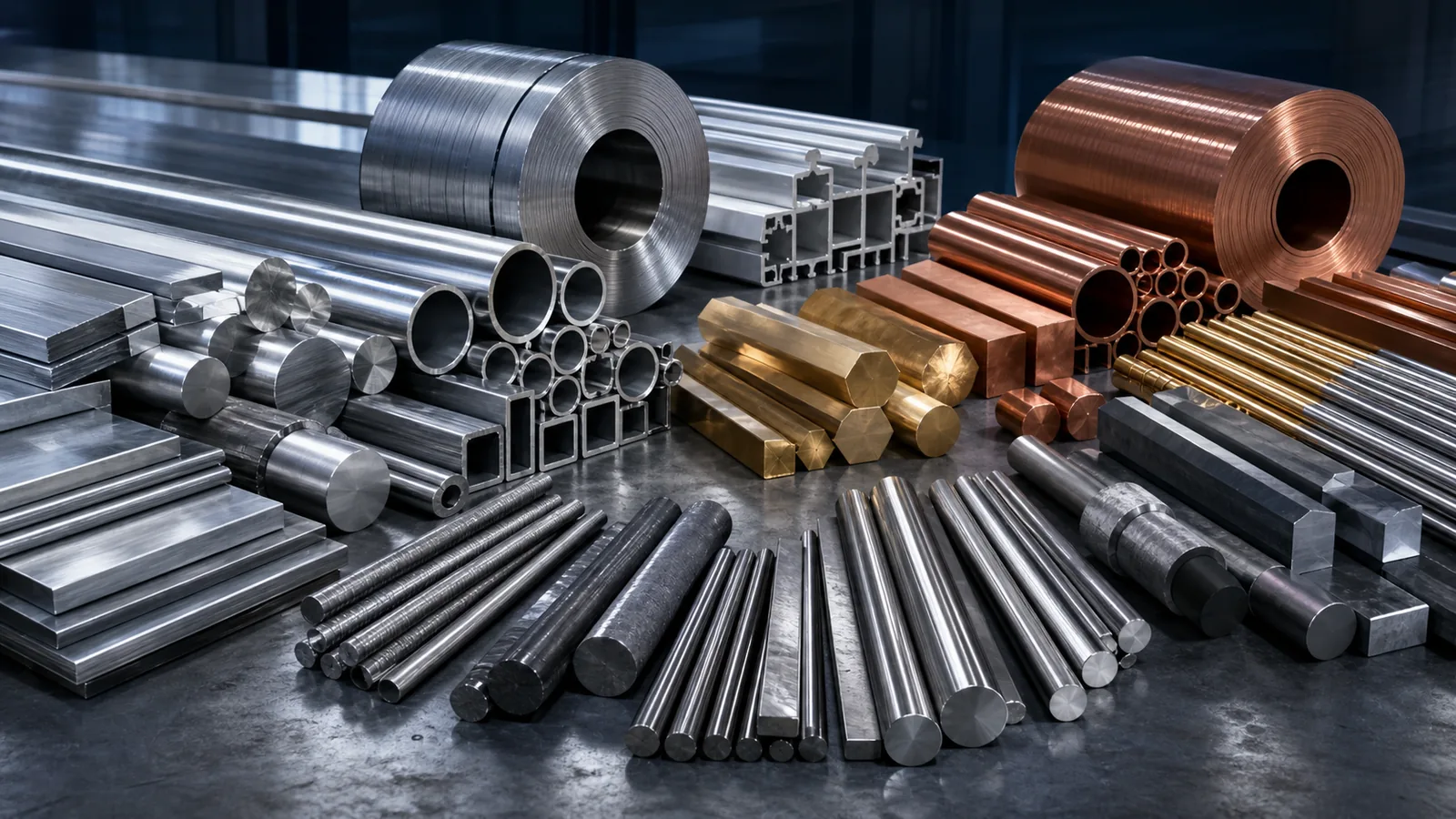
Use this hub to reach the main material category pages and prepare RFQs with the right material family, grade, product form, size and documentation requirement.
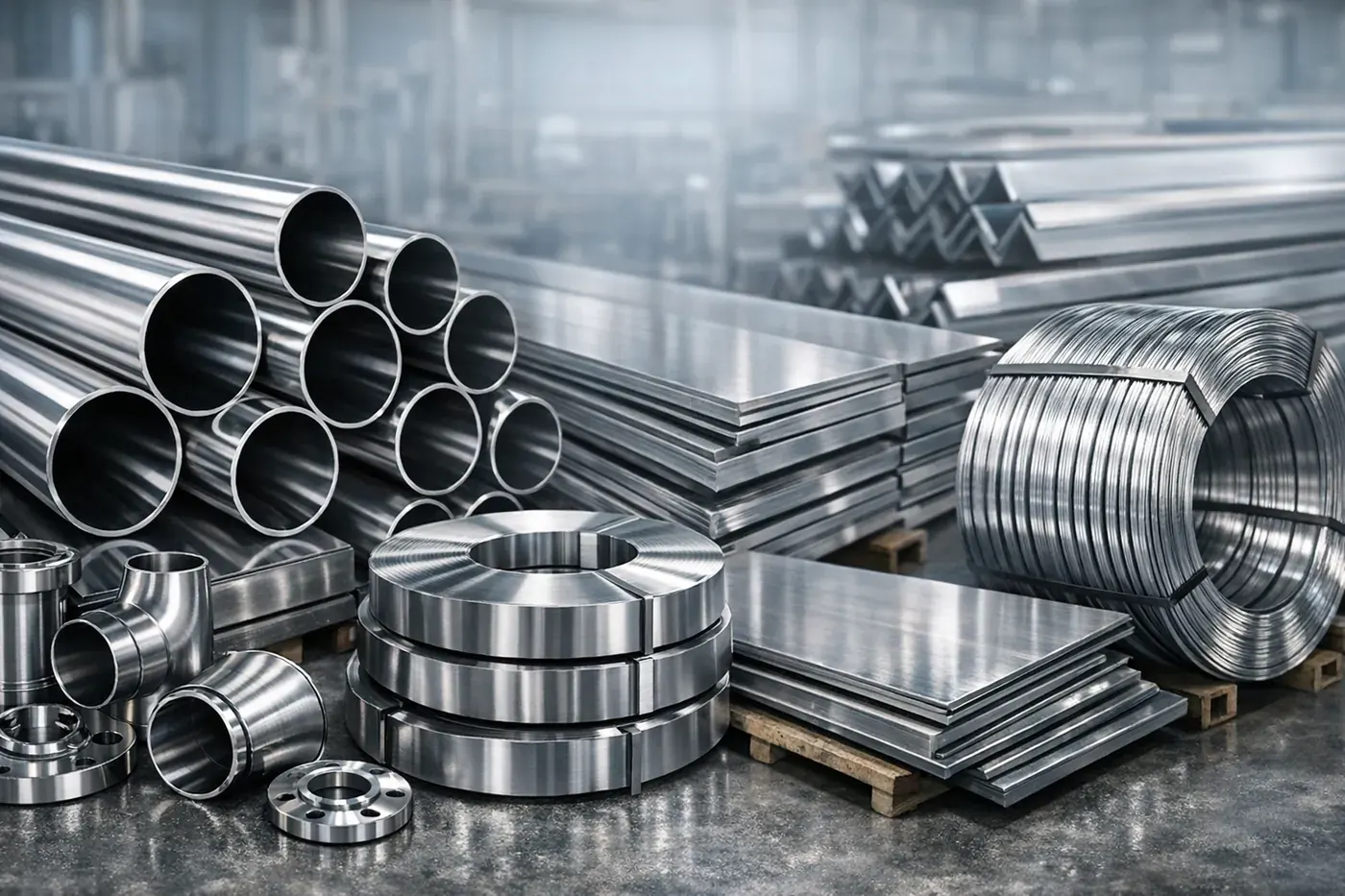
Corrosion-resistant stainless grades for process equipment, fabrication and project procurement.
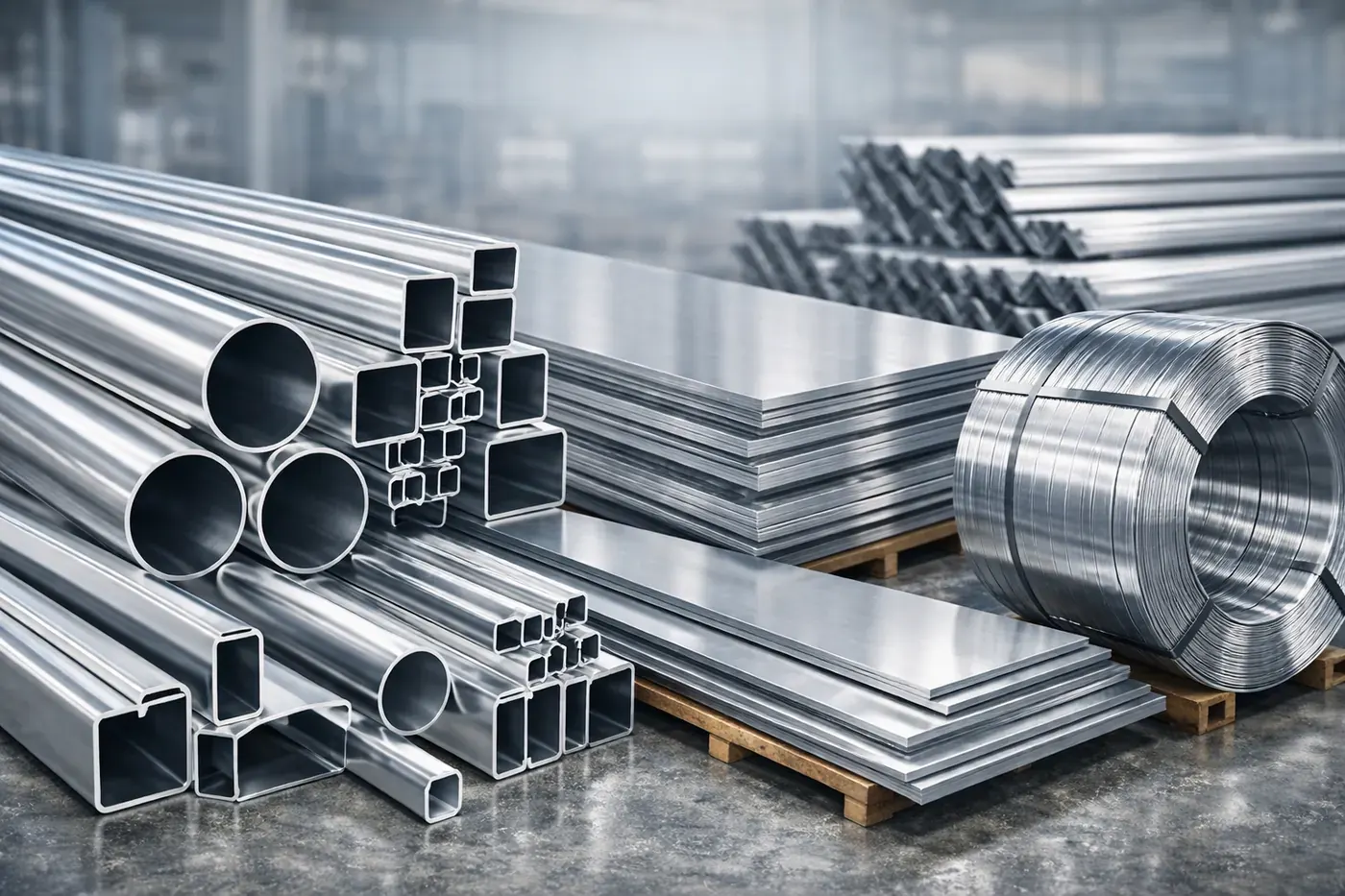
Lightweight aluminium grades for engineering, fabrication, transport and general industrial use.

Copper grades for electrical, heat transfer, fabrication and process equipment requirements.
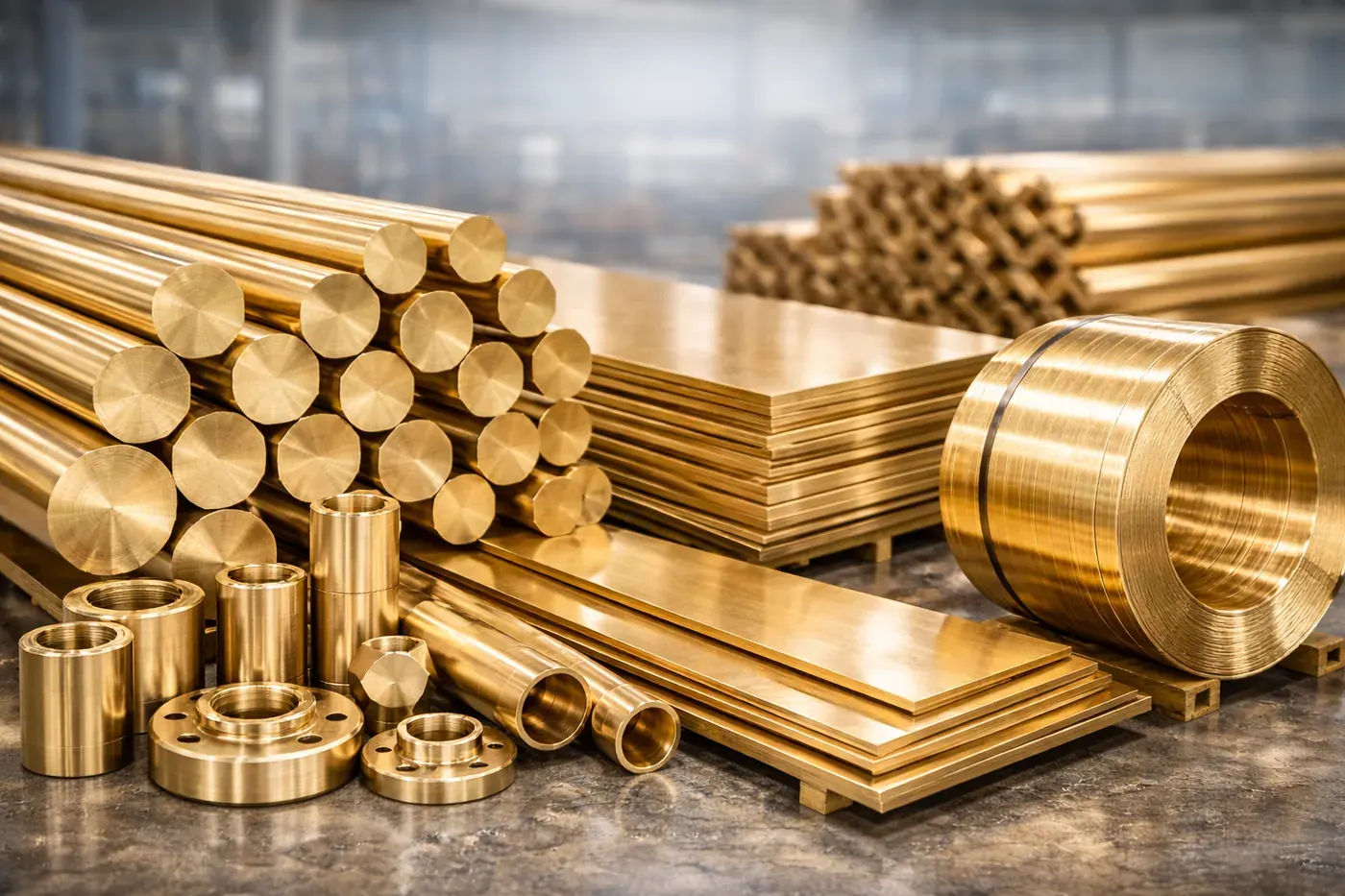
Brass forms for machining, fittings, valves, hardware and decorative engineering applications.
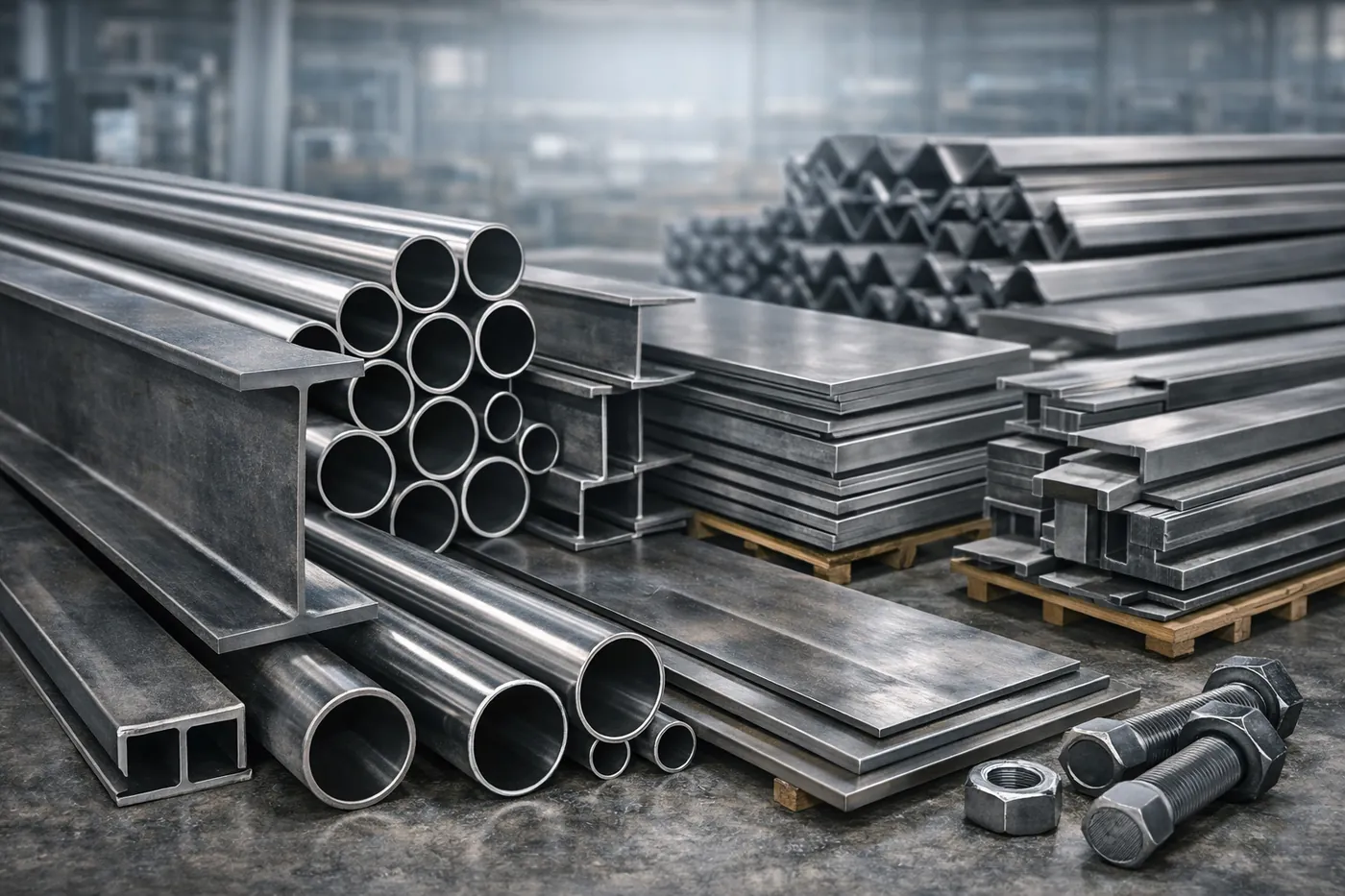
Carbon steel materials for structural, pressure, engineering and fabrication enquiries.
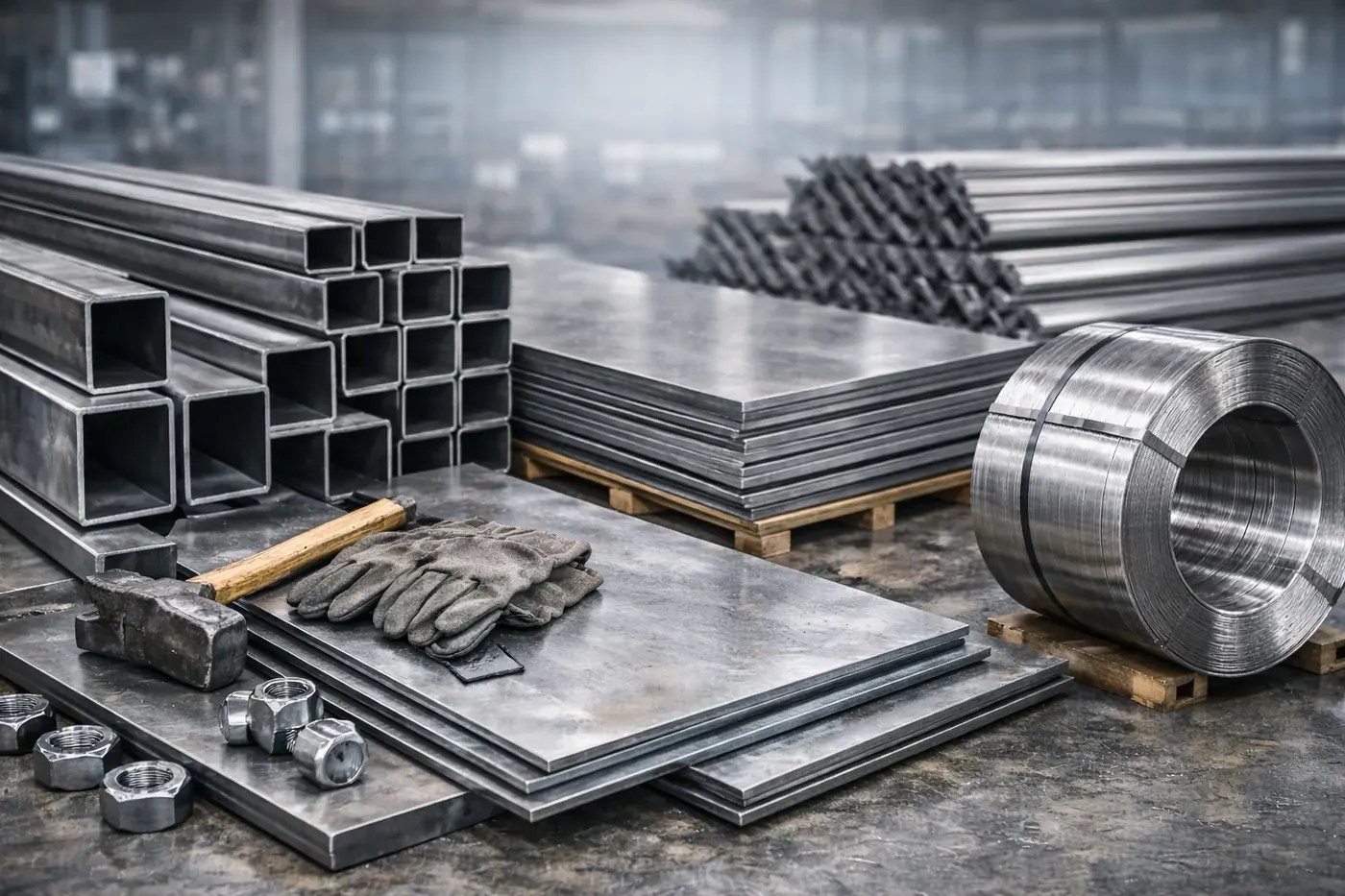
MS materials for general fabrication, frames, structures, maintenance and project use.
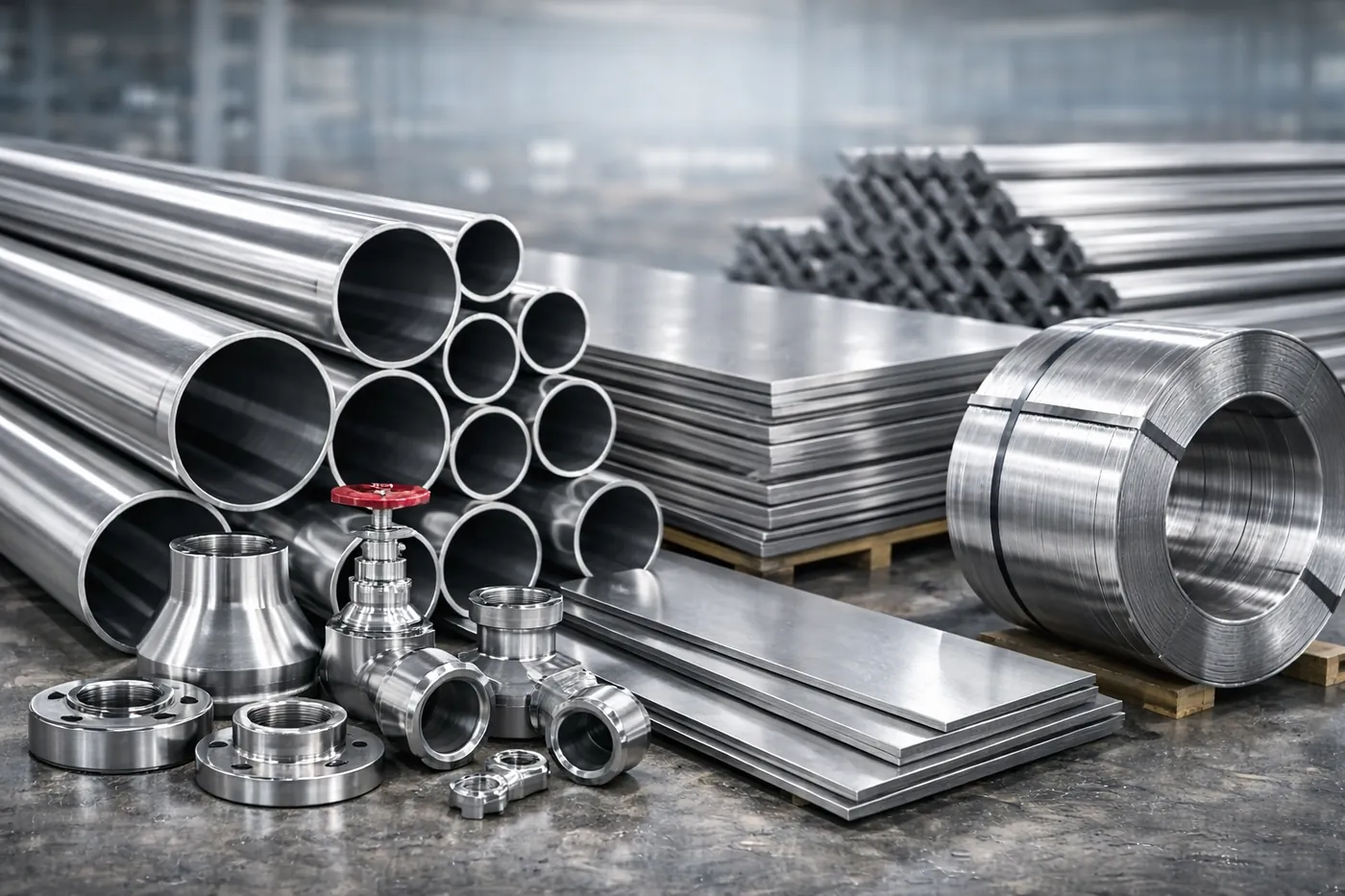
Nickel alloy families for heat, corrosion, chemical processing and marine service enquiries.
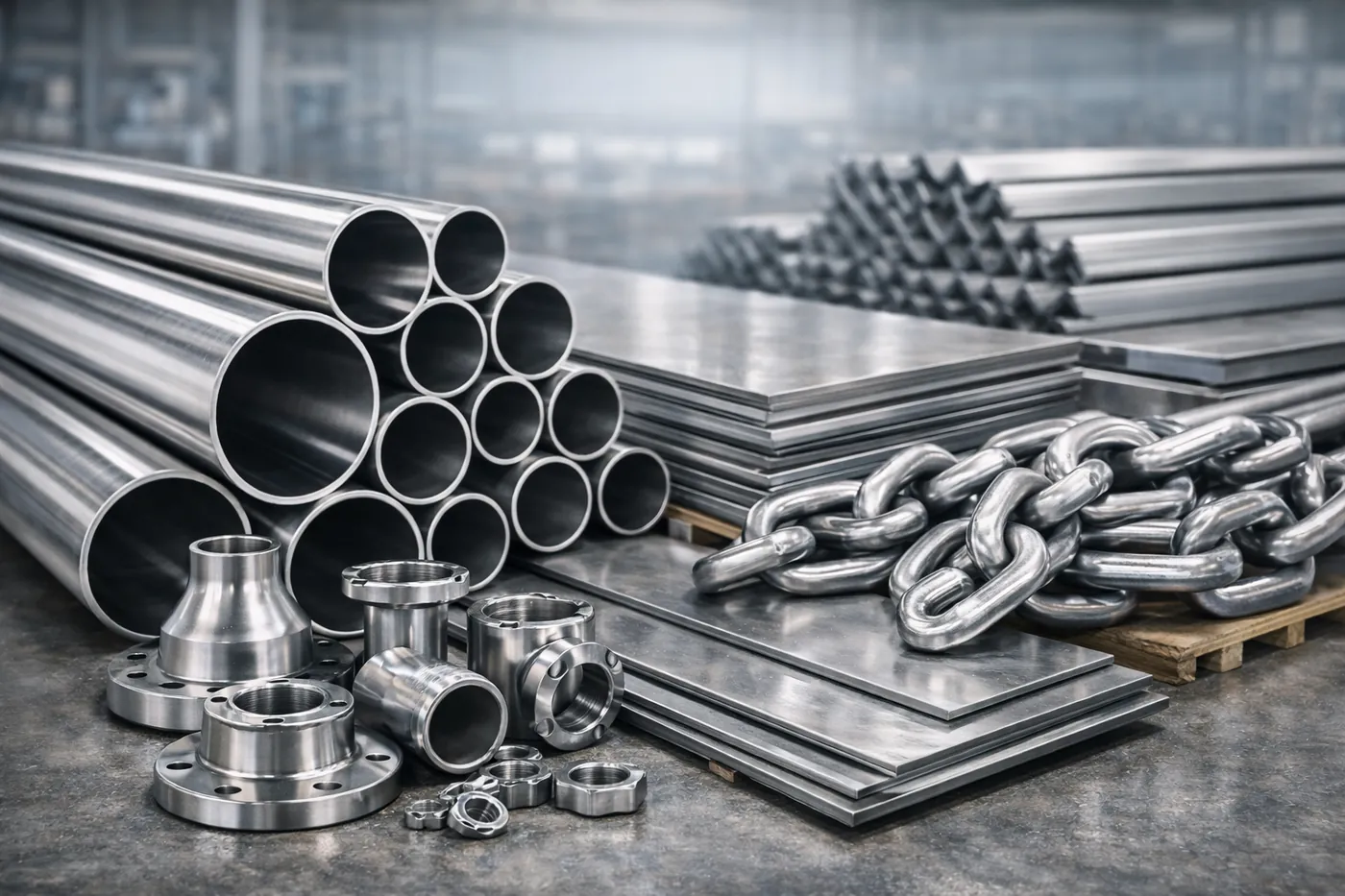
Duplex stainless grades for chloride, seawater, offshore and process environments.
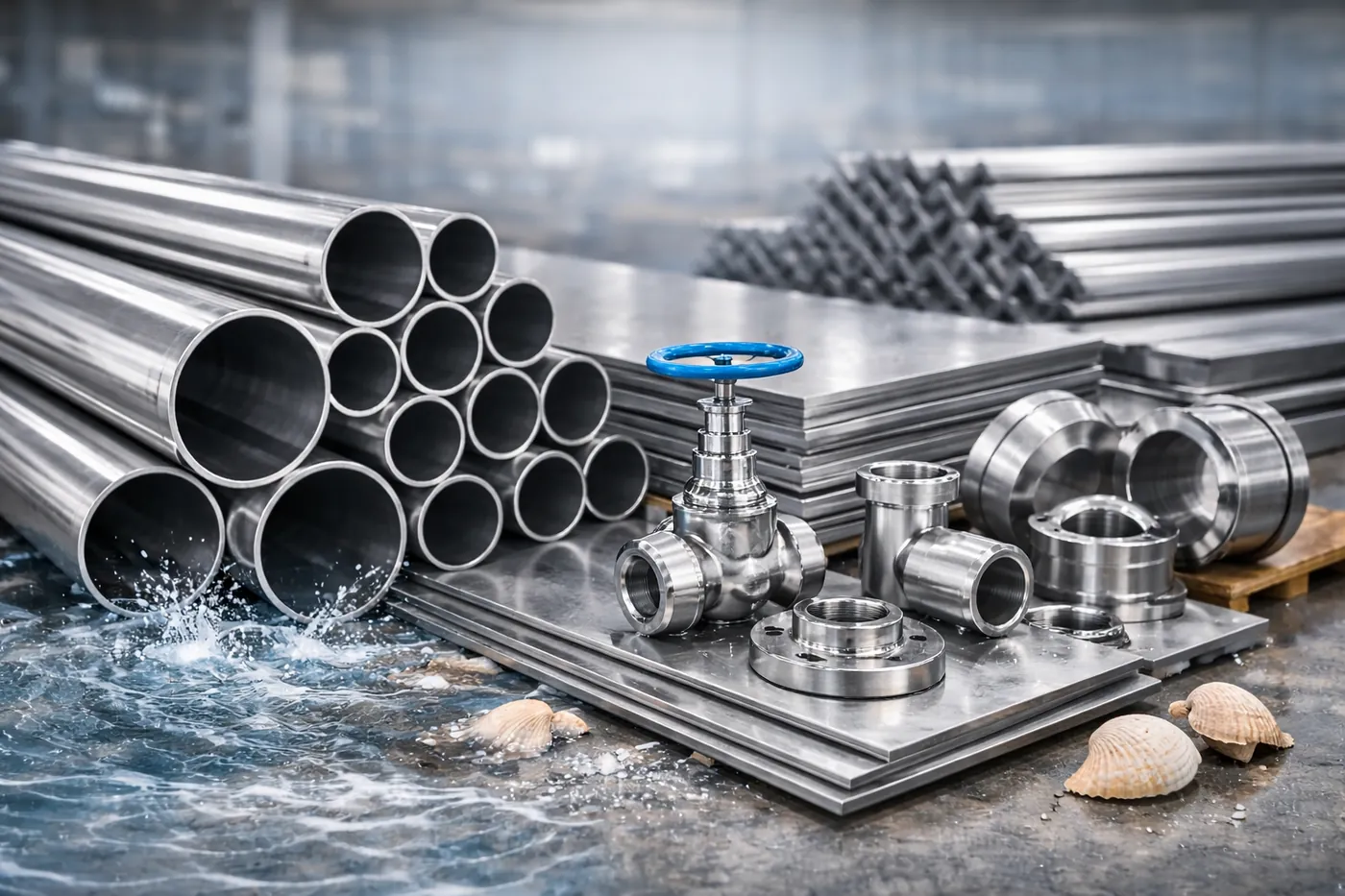
6Mo stainless steel guidance for chloride, seawater, desalination and process applications.
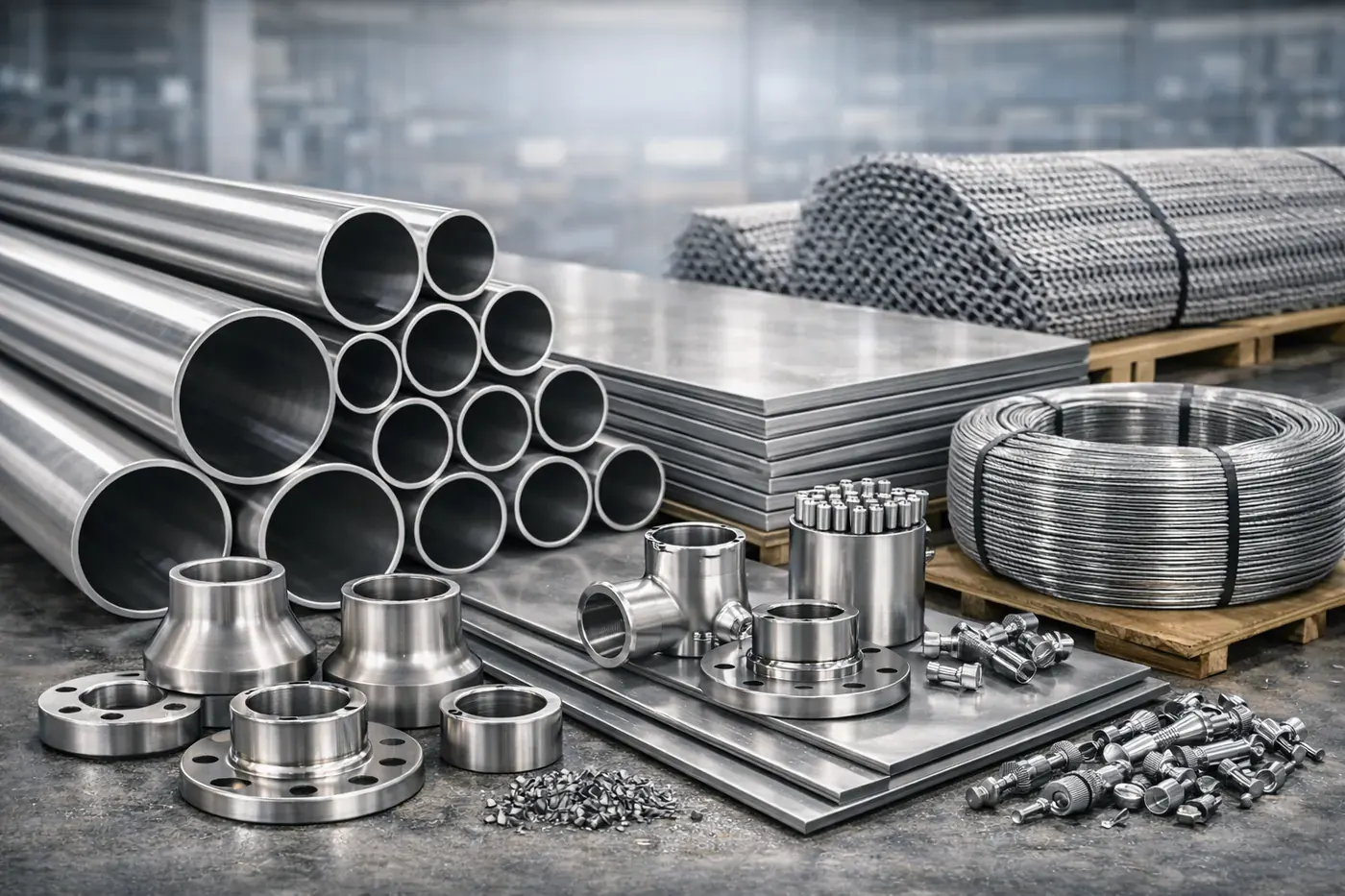
Titanium grades for aerospace, chemical processing, marine and specialized RFQ review.
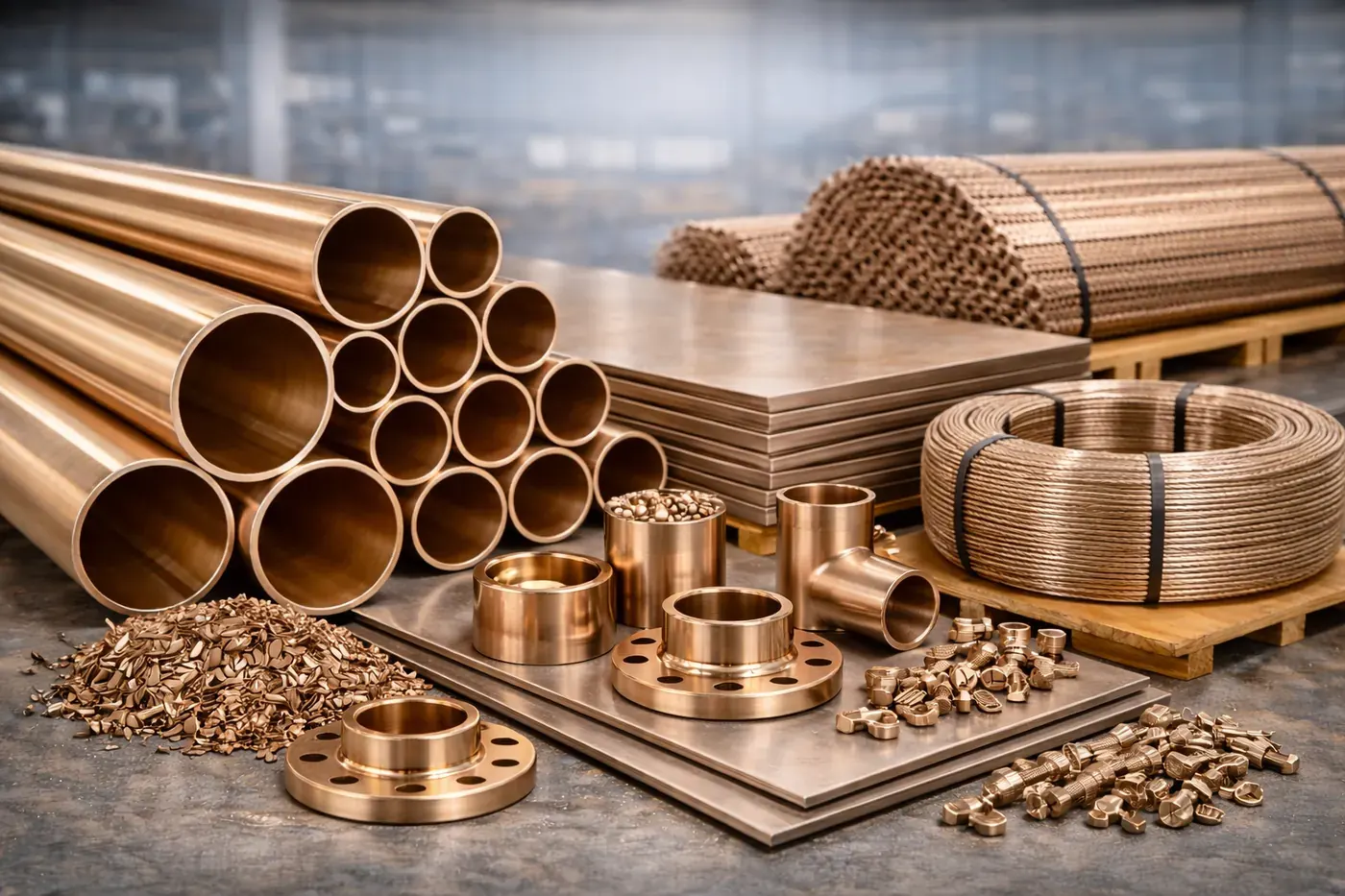
Copper-tin alloy grades for springs, electrical contacts, wear parts and precision components.
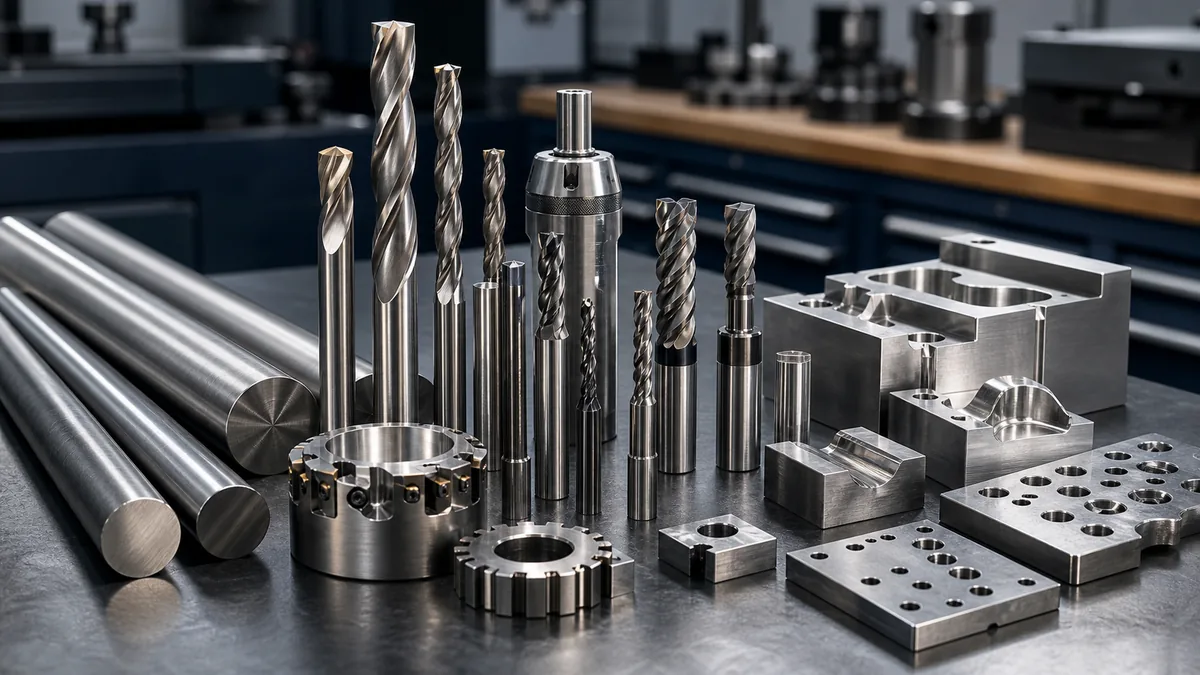
Tooling-focused HSS grades for cutting tools, dies, punches and machining applications.
Need another specification or hard-to-source alloy? Review Special Engineering Alloys or send the full RFQ details for procurement review.
Rubinox supplies and sources industrial metal enquiries across stainless steel, alloy steel, non-ferrous metals and project-specific engineering alloys for RFQ review.
Chemical, pharma, food processing, marine, power, engineering and infrastructure buyers should match the material family to service condition, standard, documentation and project requirements.
Material family and grade or UNS/ASTM reference.
Product form, dimensions, finish and condition.
Quantity, unit of measure and delivery location.
MTC, PMI, inspection or project documentation needs.
Start with the family page when the requirement is broad, then move to grade, product form, technical resource or quotation links once the RFQ details are known.
These related resources help buyers compare grade families, product forms and documentation needs without adding new public URLs.
Use these first D11B combination pages when the enquiry is already tied to a material, product form and buyer location. They are intended for clearer RFQ preparation, not broad city duplication.
This hub covers stainless steel, duplex, nickel alloys, titanium, SMO 254, aluminium, copper, brass, carbon steel, mild steel, phosphor bronze, high speed steel and special engineering alloys.
No. Material suitability depends on service conditions, standards, design requirements and buyer/project engineer review.
Buyers can mention MTC, PMI or inspection requirements in the RFQ for review where applicable.
Yes. Export buyers can use the links to identify material families before sending destination and documentation details.
Buyers should share material, grade or specification, product form, size, quantity, delivery location and documentation requirements so the enquiry can be reviewed clearly.
Rubinox can review PAN India and export enquiries with procurement and documentation details shared by the buyer, subject to material, grade, form and sourcing feasibility.
Share the application, grade reference and service condition so Rubinox can review your enquiry.
Use these controlled hubs to find material, grade, form and destination pages created for clearer RFQ preparation. They keep discovery structured without adding bulk links to the footer.