


Selection Notes
- Automotive and EV parts often require drawing-led RFQs.
- Tolerance, condition and finish should be included when components are machining-led.
- For electrical parts, conductivity and alloy designation may matter.

Metal selection guide for automotive and EV component buyers reviewing aluminium, stainless steel, carbon steel, mild steel, copper, brass and phosphor bronze RFQs.
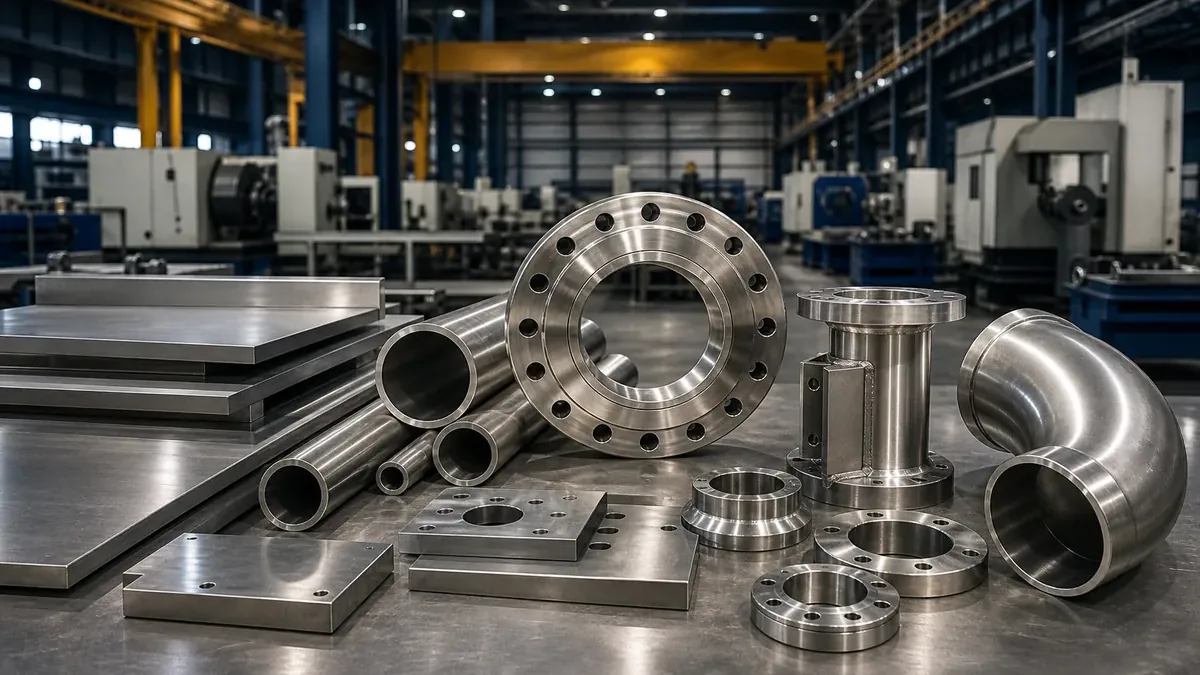
Automotive and EV component buyers may review aluminium, stainless steel, carbon steel, mild steel, copper, brass, phosphor bronze and fastener materials depending on weight, strength, conductivity, machining, wear and fabrication requirements. Final selection should follow buyer drawings, standards, service conditions and project requirements.
| Option | Common buyer review context | RFQ note |
|---|---|---|
| Aluminium 6061/7075 | Weight-sensitive components, machining and structural parts | Share temper, tolerance and drawing. |
| Copper and brass | Electrical, connector and machined components | Mention conductivity or machining needs. |
| Carbon and mild steel | Frames, brackets, general components and fabrication | Share standard, finish and dimensions. |
Use these pages to review grades, material families and quotation routes before sending a requirement.
Aluminium 6061, 6063 and 7075 are commonly reviewed depending on strength, machining and fabrication needs.
Copper and brass may be reviewed for electrical, connector and machined components depending on specification.
Share drawing, grade, size, tolerance, quantity, finish and application details.
Rubinox can review fastener enquiries based on grade, standard, size, quantity and documentation needs.
A drawing or specification is better; photos can help context but should not replace technical details.
Share grade, product form, size, quantity, standard, documentation requirements and delivery location for quotation review.